Creative approach
Composition and musical form
The complete version is conceived at approximately 75 minutes, retaining the French text and the original sequence of eleven scenes in three acts. Around thirty minutes of additional music are planned across an expanded introduction, nine inter-scene passages, two larger act transitions and an extended final scene and ending.
The new material develops Honegger’s motifs into longer musical trajectories. Repetition, harmonic recontextualisation and electronic transformation allow earlier events to return in changed form.
Cocteau’s French libretto will be used verbatim. Selected words and phrases will recur in the newly composed vocal passages, extending their musical and emotional resonance and creating connections between scenes. Wordless writing for the vocal quartet may also enrich these passages, where the role doublings allow.
Singers
The production is conceived for eight singers. Antigone, Ismène, the Guard and Tirésias double as the alto, soprano, tenor and bass coryphée parts, and form the choir together. Créon, Hémon, Eurydice and the Messenger are cast separately. Selected vocal lines will be redistributed to accommodate the doubling, with transitions between character and collective commentary integrated into the staging.
A seven-singer option combines Eurydice with Ismène and the soprano coryphée, subject to vocal suitability and final score checks.
Chamber ensemble and electronics
The proposed live-ensemble version uses twelve instrumentalists:
- Four woodwinds with doublings: flute/alto flute, oboe/english horn, clarinet/bass clarinet, and alto saxophone/baritone saxophone.
- Two brass with mutes: trumpet and trombone/bass trombone.
- Two synthesizers and amplified harp.
- Three strings: violin, viola and cello.
Individual woodwinds become character voices. The alto saxophone retains its soloistic identity while supplying material for electronic transformation. Brass, amplified harp, strings and synthesizers can combine into larger textures. Synthesizers also assume the percussion’s energetic function.
Selected instruments are close-miked and transformed in real time using custom, AI-enabled sound-processing tools. The technology serves phrasing, timbre and dramatic continuity.
Space, imagery and surtitles
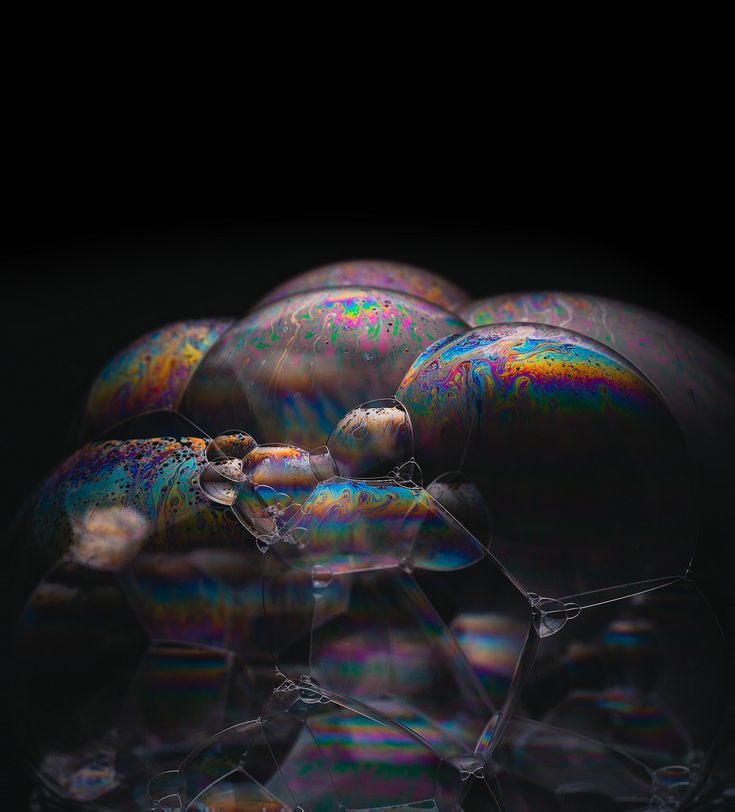
An optional audio-reactive visual layer extends the electronic dramaturgy into light, movement and surface. Thin-film interference, chromatic dispersion and iridescence provide references for a presence that changes with perspective and remains difficult to locate. Surtitles may be integrated into the scenic space to support access to Cocteau’s French text.